Material
Describe composition, size, moisture and contamination. Include what changes between batches.
APPLICATIONS FOR SANDFLO
BlakerTech works across metal, waste and glass recycling. The right role for SandFlo depends on the feed arriving at the machine and the output you need.
01 — METAL RECYCLING
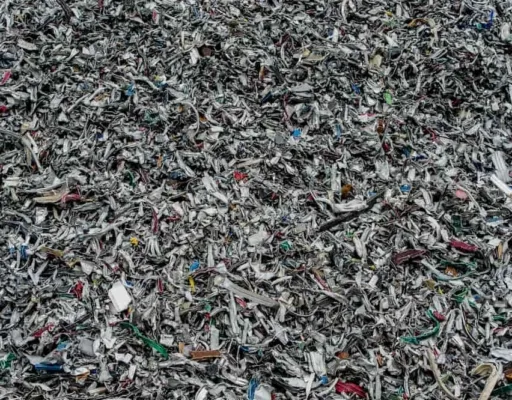
SandFlo is intended for density separation of prepared secondary metals. It can separate lighter aluminium from denser metals such as copper, brass and zinc in a mixed non-ferrous fraction.
The aim is to assess what useful distinction density can make within your feed. The presence of two different metals alone does not establish how cleanly they will separate.
02 — WASTE RECYCLING
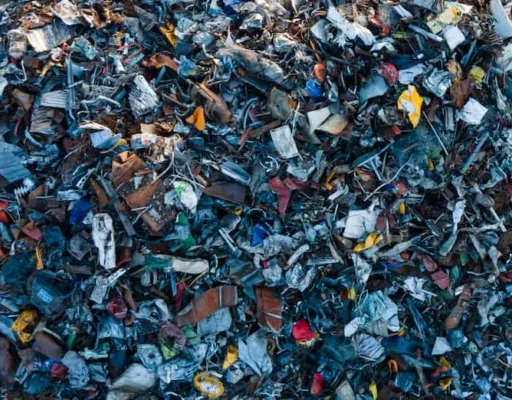
Within a wider waste recovery line, SandFlo’s role is to refine a prepared non-ferrous fraction after initial processing. It requires a prepared metal feed, rather than unprocessed mixed waste.
First establish how the feed will be recovered and conditioned. Then evaluate density separation against the actual material that will arrive at SandFlo.
03 — GLASS RECYCLING CONTEXT
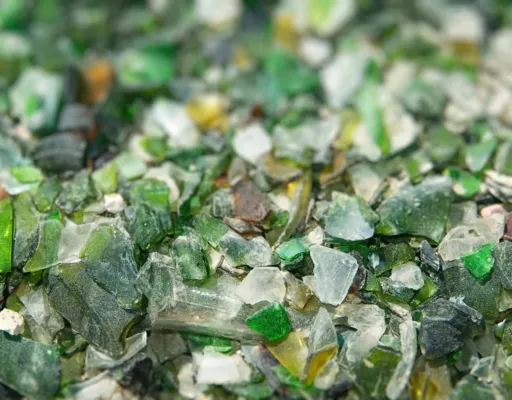
Glass recycling is part of BlakerTech’s wider work. That does not mean every BlakerTech machine performs the same job in a glass line.
For removal of conductive non-ferrous metal from a mixed stream, discuss MagThro. Where a separate, prepared mixed-metal fraction needs further refining, ask whether SandFlo density separation is appropriate.
PLAN THE APPLICATION
Use these four areas to prepare for a conversation with the engineering team.
Describe composition, size, moisture and contamination. Include what changes between batches.
Explain current and intended feed rates, working hours and any upstream bottleneck.
Bring the layout, access constraints and details of existing feeding and collection equipment.
Define the fractions you want and how you will judge their usefulness. Agree trial objectives around them.